
GROWW IPO
An Enabler of Capital Markets Embraces The Public Markets
Ashish Agrawal
Published November 12, 2025
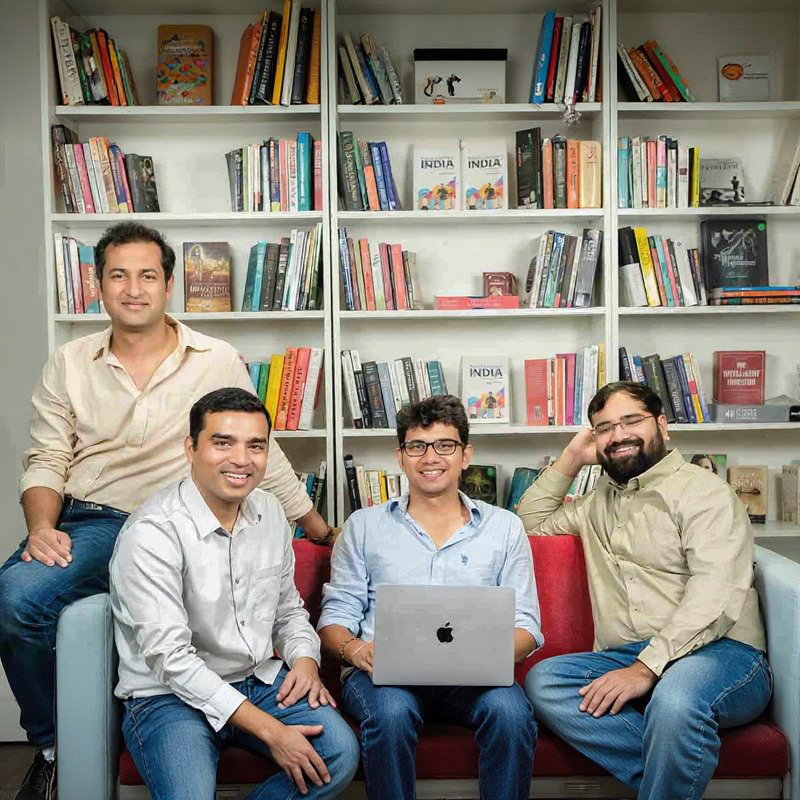
As we walked into our first meeting with Groww’s founders in the Peak XV offices in Bangalore in late 2018, we met a team that was understated and measured.
By this time, we had met many startups in different segments of retail investing. A young, ambitious, tech-native generation was beginning to move beyond real estate, gold, and fixed deposits, toward mutual funds and equities. The financialization of Indian savings was unmistakable, but the product experiences available to this new investor were still dated and complex.
Over multiple meetings, we began to develop an appreciation for the founders’ engineering, product, and growth skills; their strategic thinking; their quiet ambition; and their brilliant understanding of the customer.
“Our customer is the 27-year-old Indian millennial,” remarked Lalit Keshre in one of these meetings. That line stayed with me.
We wondered: if HDFC Bank, India’s most valuable bank, was built on a savings-account franchise, could the next iconic financial institution be built on an investment-account franchise?
In our minds, such a journey would likely unfold in three chapters:
1) Acquire millions of users through direct mutual-fund distribution.
2) Expand wallet share across all investment categories: equities, mutual funds, AIFs, PMS, fixed deposits.
3) Serve every financial product needed by the customer: bank accounts, insurance, credit, payments, mortgages.
There were several teams of strong professionals from the wealth management industry. But for this wave, we believed outsiders — builders with a product and technology DNA, were best positioned to bring a fresh perspective to serving customers and reimagine how India invests.
The Groww team’s sharp focus on the 27-year-old stood out for us. Their clarity on who they were building for, their desire to leverage technology to serve this customer, and their fierce obsession with customer delight shone through every interaction.
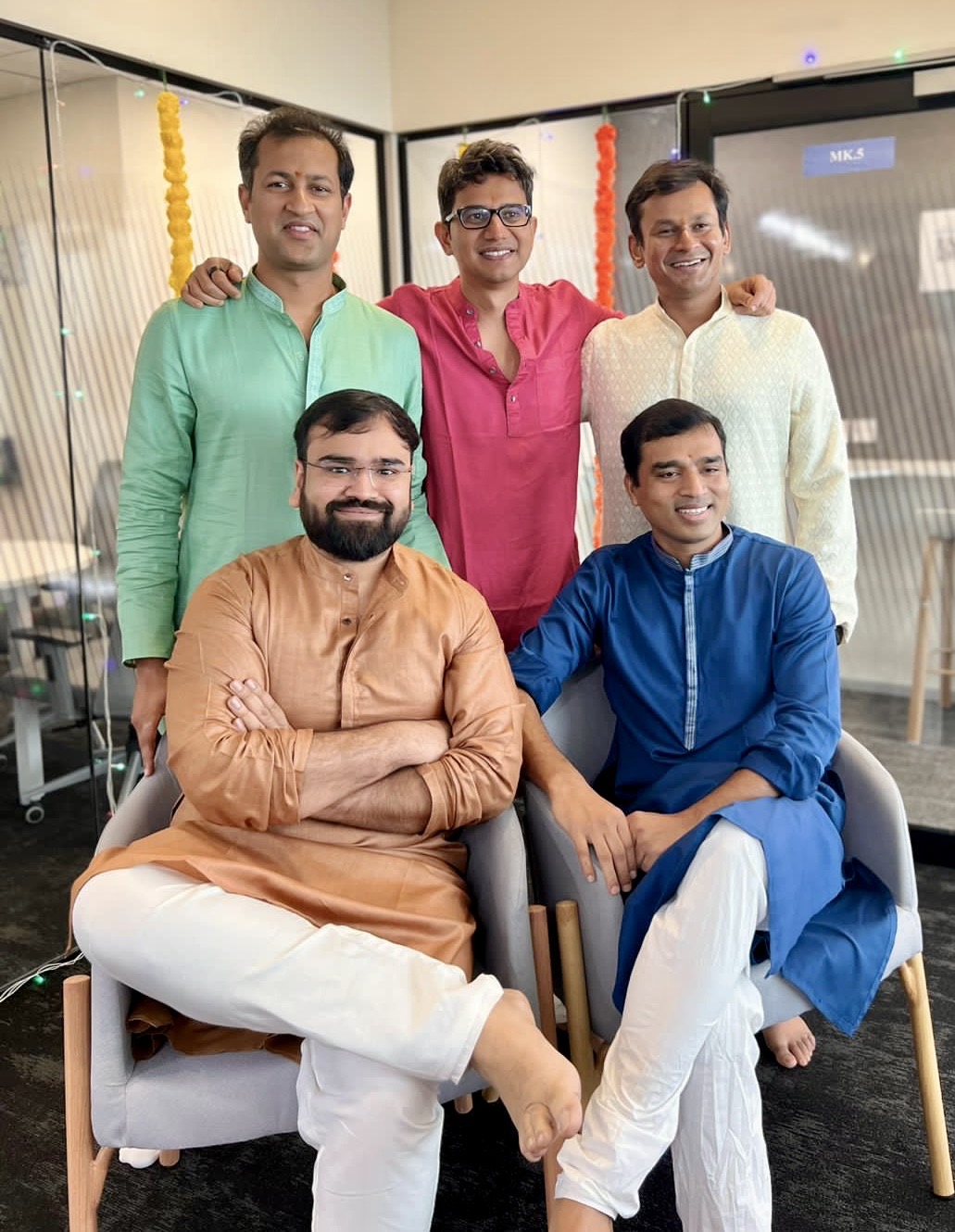
Peak XV partnered with them in the days leading up to Diwali. Given the timing, I like to believe that we began our journey with the blessings of the Gods 🙂 (Read our blogpost from that time).
The Next Seven Years
What followed was exemplary execution.
Product, engineering, content, growth worked in brilliant harmony. Neeraj kept a small engineering team, single-digit in the first year, which set the bar for quality and velocity that would become part of the company’s identity. Harsh unlocked YouTube as a powerful engine for customer education and acquisition, driving organic growth at a fraction of industry CAC. Ishan tracked every business metric obsessively and eventually became the CFO. And Lalit built an incredible product that delivered unmatched retention and engagement. He also built a culture which not only delivered the highest customer NPS in the industry but also the highest employee NPS amongst Indian startups. This blogpost from the Groww team captures their early years.
By FY 2021, one out of five new SIPs in India were created on Groww, its first leadership milestone. Then history repeated. The brokerage product was launched in 2020, and by FY 2024 Groww became the largest stock broker on the NSE by number of active users.
Few companies get to market leadership once in financial services; Groww did it twice. And it is now charting new territory in asset management, wealth, credit, and payments.
Market Tailwinds in Their Sails
The rise of Groww mirrors India’s own capital-markets revolution:
– Mutual-fund AUM jumped from INR 24 lakh crore in September 2018 to INR 76 lakh crore in September 2025 (from about 340 billion US dollars to about 860 billion US dollars), as per AMFI data.
– ‘Active’ retail equity investors in India (as represented by NSE active clients) grew from about 8 million in September 2018 to 45 million in September 2025.
This was facilitated by regulatory reforms driven by SEBI, India’s capital-markets regulator. It was also enabled by the buildout of India’s digital public infrastructure, such as Aadhaar, the national identity system, and UPI payment rails, which reduced the cost of KYC and money movement. And it was enabled by increasing economic prosperity of the Indian populace. Groww benefited from these shifts — and in turn accelerated them, bringing first-time investors into the markets at an unprecedented scale.
Navigating the Tough Moments
It was not always easy.
From redomiciling the business from the US to India, a first for a company of this size, to handling the pressure of millions of highly engaged customers where even small outages triggered thousands of escalations, to navigating regulatory changes, Groww faced its share of complex, high-stake moments.
In one instance in 2024, a mutual-fund reconciliation error sparked public criticism on social media. The team treated any customer feedback with seriousness and humility, not defensiveness. I viewed these events partly as signs of how important the platform had become for its users, and as opportunities for Groww to learn and strengthen its systems.
Through every decision, Lalit would ask, almost reflexively: “What is best for the customer?” His simplicity of Groww’s north star was clarifying for the team.
Several opportunities in adjacent product categories were tempting but Lalit chose not to pursue them in the absence of regulatory clarity. His commitment to having a gold-standard in governance and compliance has been foundational to Groww’s journey. And through all the growth, his humility never wavered. After every difficult phase, he would say, “There was some very good learning from this.”
A Milestone and a Beginning
While today’s public listing is a momentous day, it is still very early in Groww’s journey. Retail investor participation in Indian equities has increased from < 3% in 2018 to only about 5% today. We are still in the early chapters of India’s investing story and that of Groww’s.
Groww is only nine years old with decades of compounding ahead. With its youth, ambition, and optimism, Groww feels like a reflection of the nation it calls home: India.